
Last updated September 20, 2026
Free on-site gate assessment - hinges, posts, and your LiftMaster or Nice gate operator checked before anything is quoted
The assessment is free and the quote is the invoice.

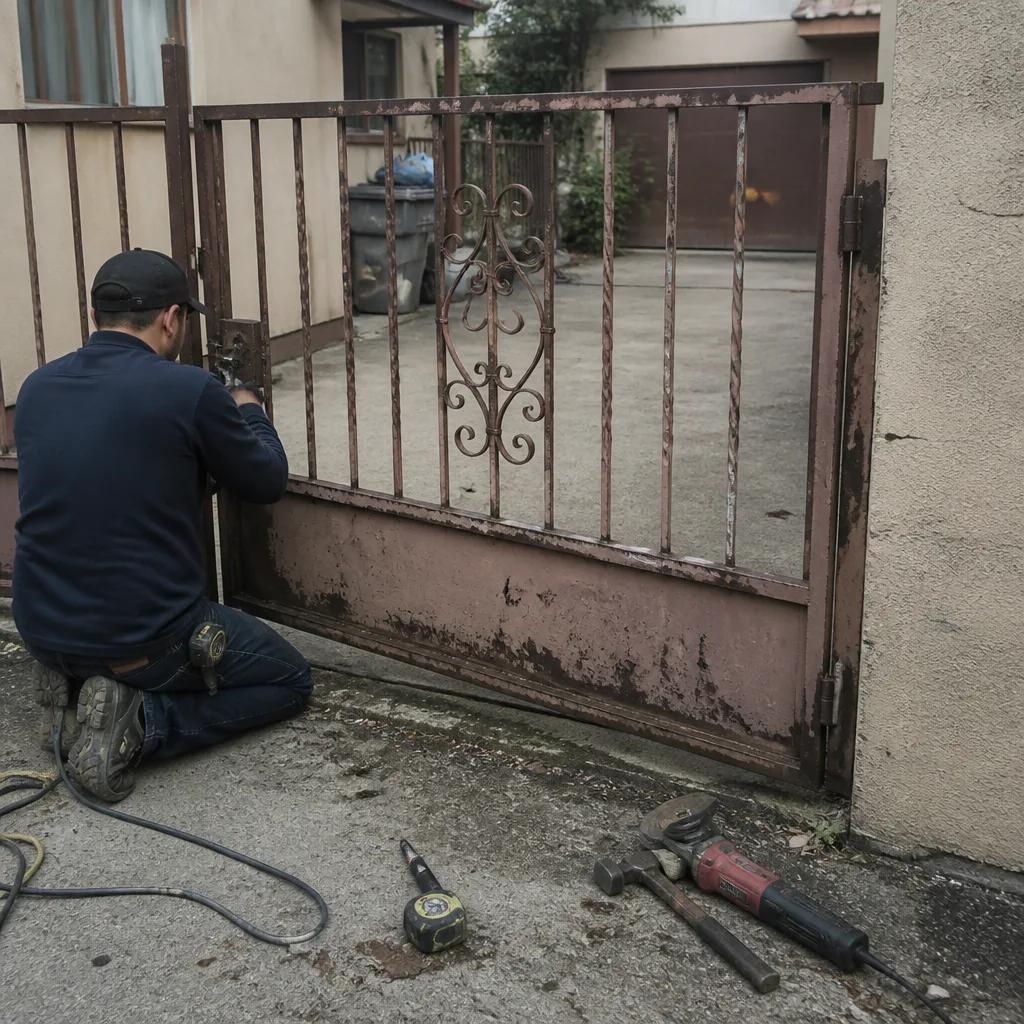 Before
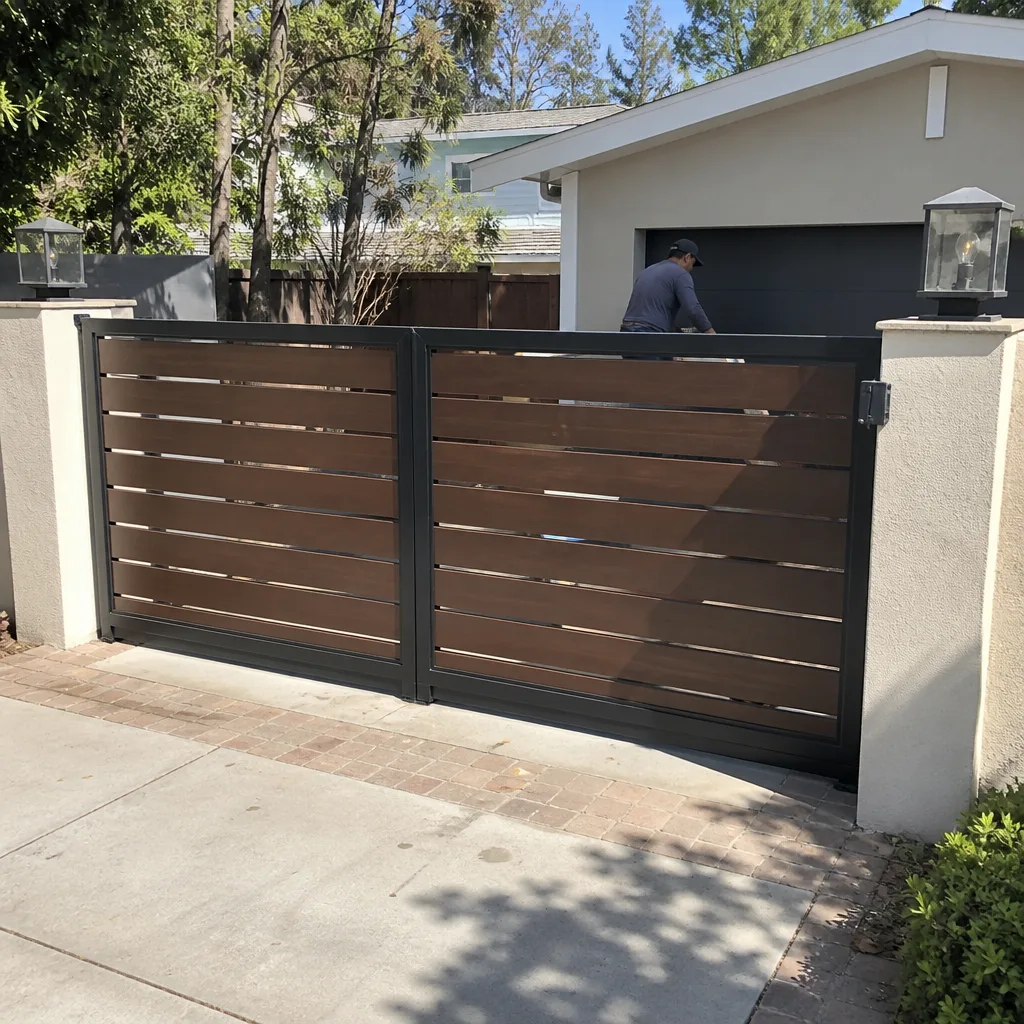 After
After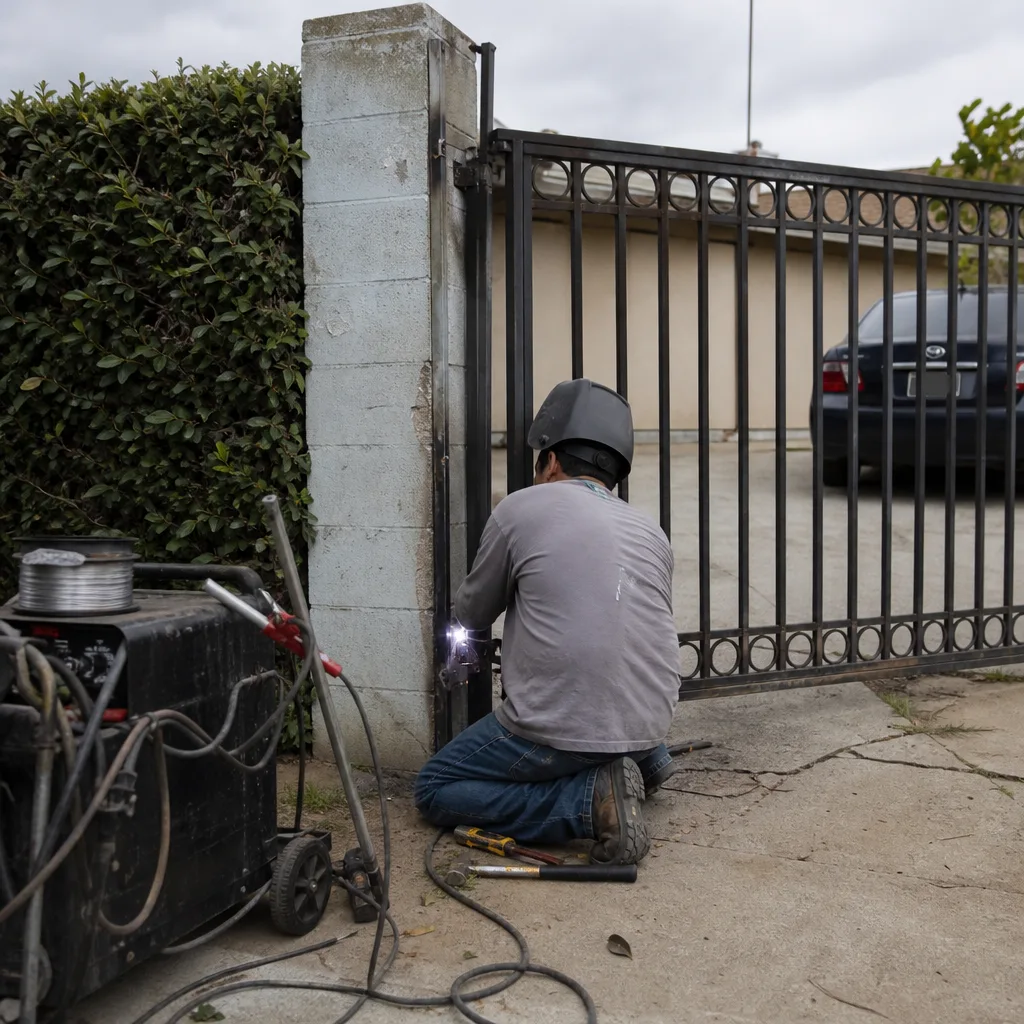 Before
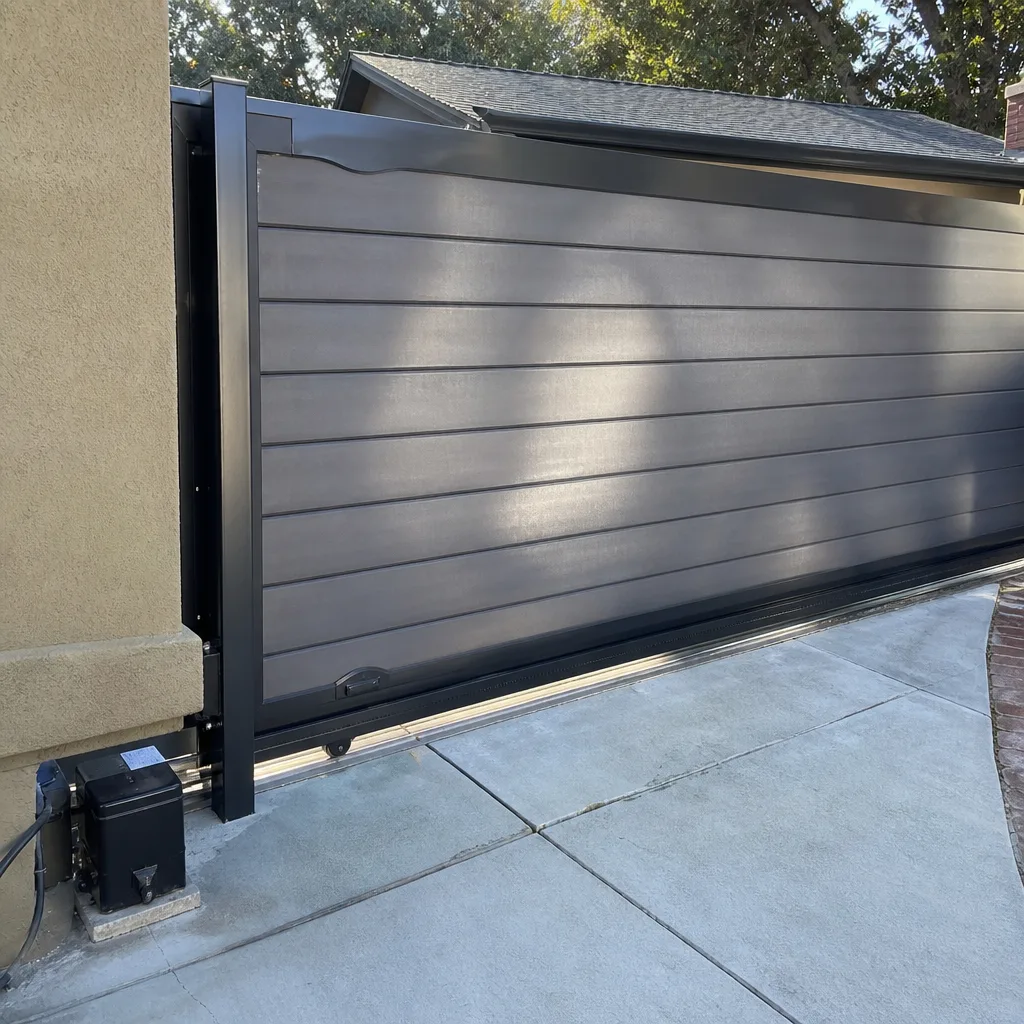 After
After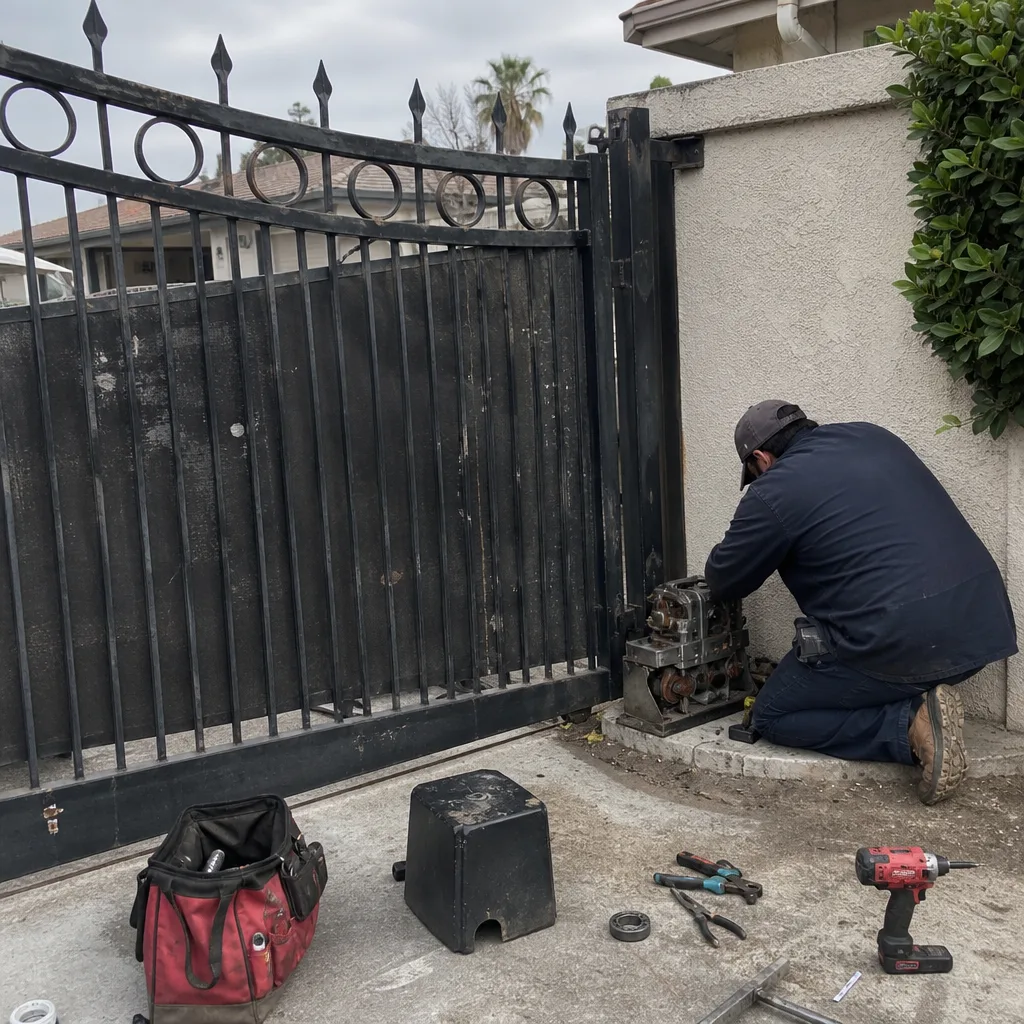 Before
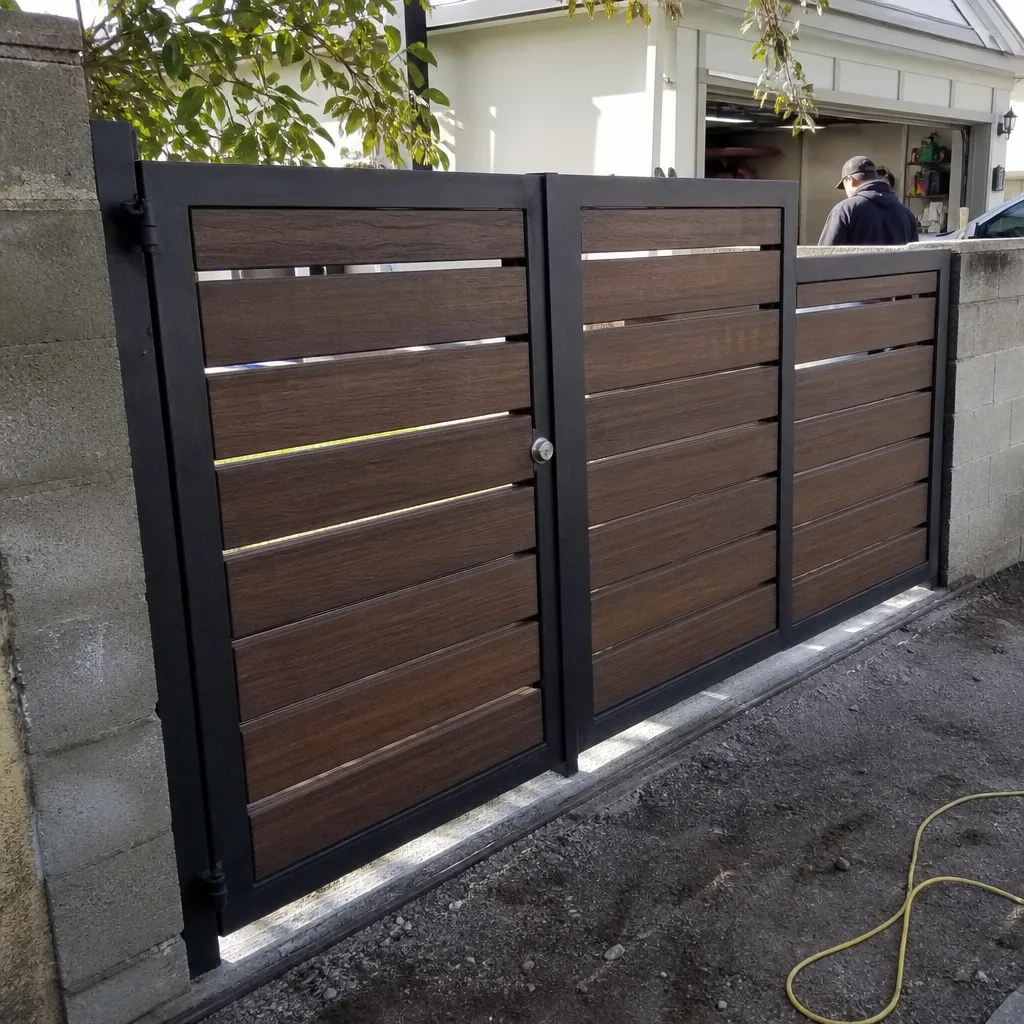 After
AfterDIY vs Professional Gate Repair: The Burbank Homeowner’s Decision Guide
Adjusting a gate’s limit switches takes about eight minutes and three turns of a screwdriver. It also repositions the entrapment protection envelope. In California, that matters more than most homeowners realize. A gate that closes too far, reverses too late, or fails to stop when a child’s bike crosses the sensor path is a liability event waiting to happen, and the person holding the screwdriver is the person holding the responsibility. This guide is written from Burbank, where hundreds of automated driveway gates run daily across the hillside neighborhoods and the flats, and it draws the line between what a homeowner can safely handle and what a professional should own.
Quick Answer
Most Burbank homeowners can safely perform three DIY tasks: remote battery replacement, track and debris clearing, and hinge lubrication. Everything that touches force settings, limit switches, photo-eye alignment, or the operator’s internal wiring falls under California’s UL 325 automatic gate operator safety standard, and if a gate injures someone after a homeowner adjusted those components, the homeowner is the responsible party. For those repairs, a professional with written documentation and a warranty is the legally safer and financially smarter choice.
Table of Contents
- UL 325 and the Liability Line: What California Requires
- The Three DIY Tasks That Are Unambiguously Yours
- Why an Undocumented Gate Raises the Risk of Any DIY Work
- Cost Comparison: DIY Parts vs. Professional Repair With a Warranty
- What Professional Repair Documentation Gives You That DIY Cannot
- Step-by-Step: How to Assess Any Gate Repair Safely
- Burbank-Specific Notes: Climate, Code, and Common Gate Problems
- Common Mistakes to Avoid
- When to Call a Professional
- Frequently Asked Questions
- The Bottom Line
BeforeAfterUL 325 and the Liability Line: What California Requires
UL 325 is a safety standard from Underwriters Laboratories that governs automatic gate operators. It sets requirements for entrapment protection: the force a gate can exert before it reverses, the presence and placement of photo-eyes, and the function of reverse loops and contact edges. California enforces UL 325 through state law, and local building departments in Burbank reference it when gate permits are pulled. The practical implication: an automated gate is not the same legal category as a garage door or a doorbell. It is considered a powered pedestrian barrier, and injuries involving gates fall under product liability and premises liability law.
Here is the thing most Burbank homeowners miss: UL 325 compliance is not a fixed state. It is a set of measurable parameters. Limit switches, force dials, and photo-eye alignment all sit within that parameter set. When a technician installs or repairs a gate, they set those parameters and record them. When a homeowner adjusts them, the homeowner becomes the de facto installer. If the gate later strikes a person because the force setting was too high, the homeowner’s adjustment is discoverable. We have reviewed cases, both in Southern California and beyond, where an insurance claim was denied because a homeowner had modified the safety circuit on an automated gate.
That does not mean homeowners should never touch their gates. It means the line is not skill. It is liability. Painting a gate post is DIY. Replacing a remote battery is DIY. Repositioning a photo-eye so a gate closes is where the legal exposure begins. If you’re looking for gate repair in Burbank that covers the safety side, the work should come with a written record of what was changed and what the new settings are.
The Three DIY Tasks That Are Unambiguously Yours
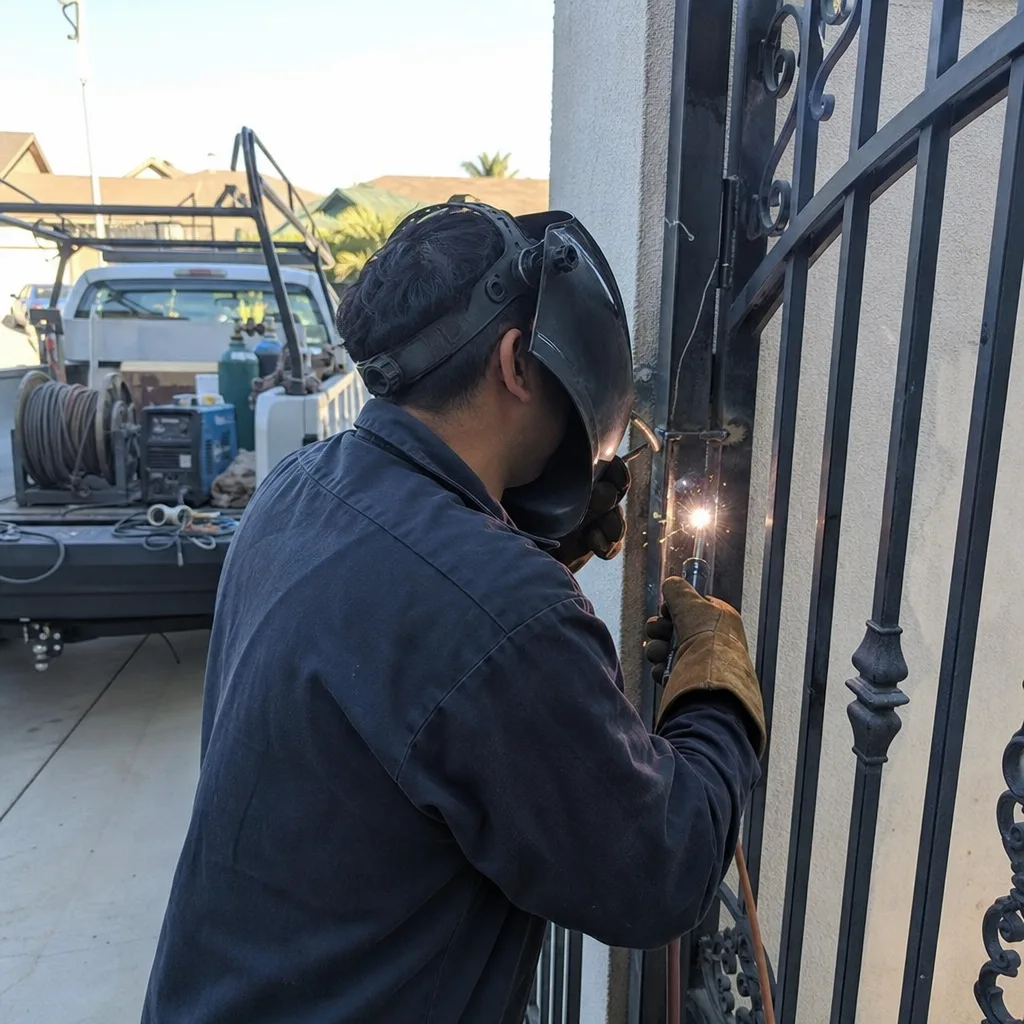
There is a narrow category of gate maintenance that carries no meaningful liability and no meaningful risk of a malfunctioning safety system. These are the tasks where a Burbank homeowner should not pay for a service call. They are also the tasks where doing the work yourself and logging it is genuinely better than calling someone out, because they are recurring and low complexity.
- Remote battery replacement. If the gate opens with the keypad but not the remote, the battery is dead. Open the remote case with a small Phillips screwdriver, note the battery type (usually A23, CR2032, or 9V depending on the brand), and replace it. Log the date. This takes five minutes and touches nothing on the gate itself.
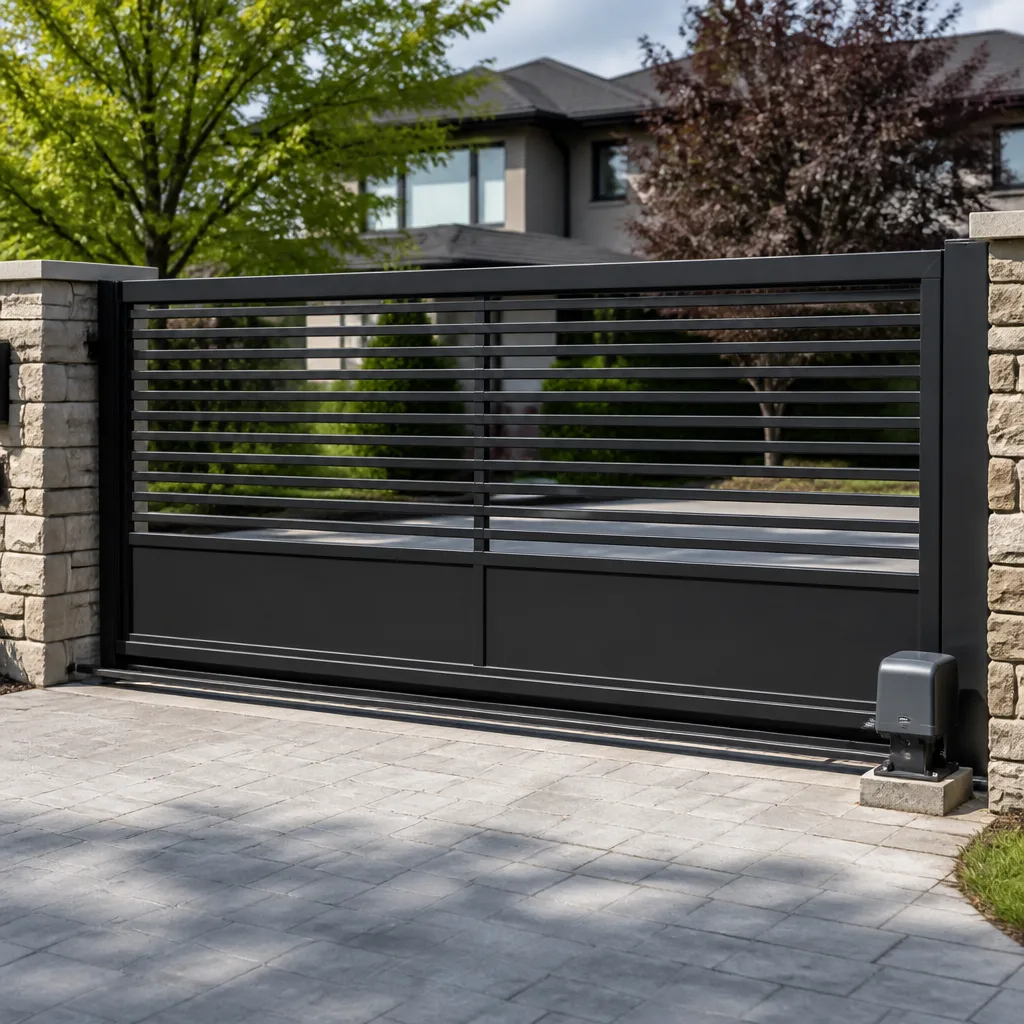
- Track and debris clearing. Slide gates in Burbank accumulate leaves, eucalyptus bark, and fine dust, especially in the hillside neighborhoods. If the gate slows or stutters, clear the track first. Use a stiff brush, not a pressure washer. A pressure washer drives water into the motor housing and the limit switch enclosure. Clear the wheels and the track, then test the gate once.
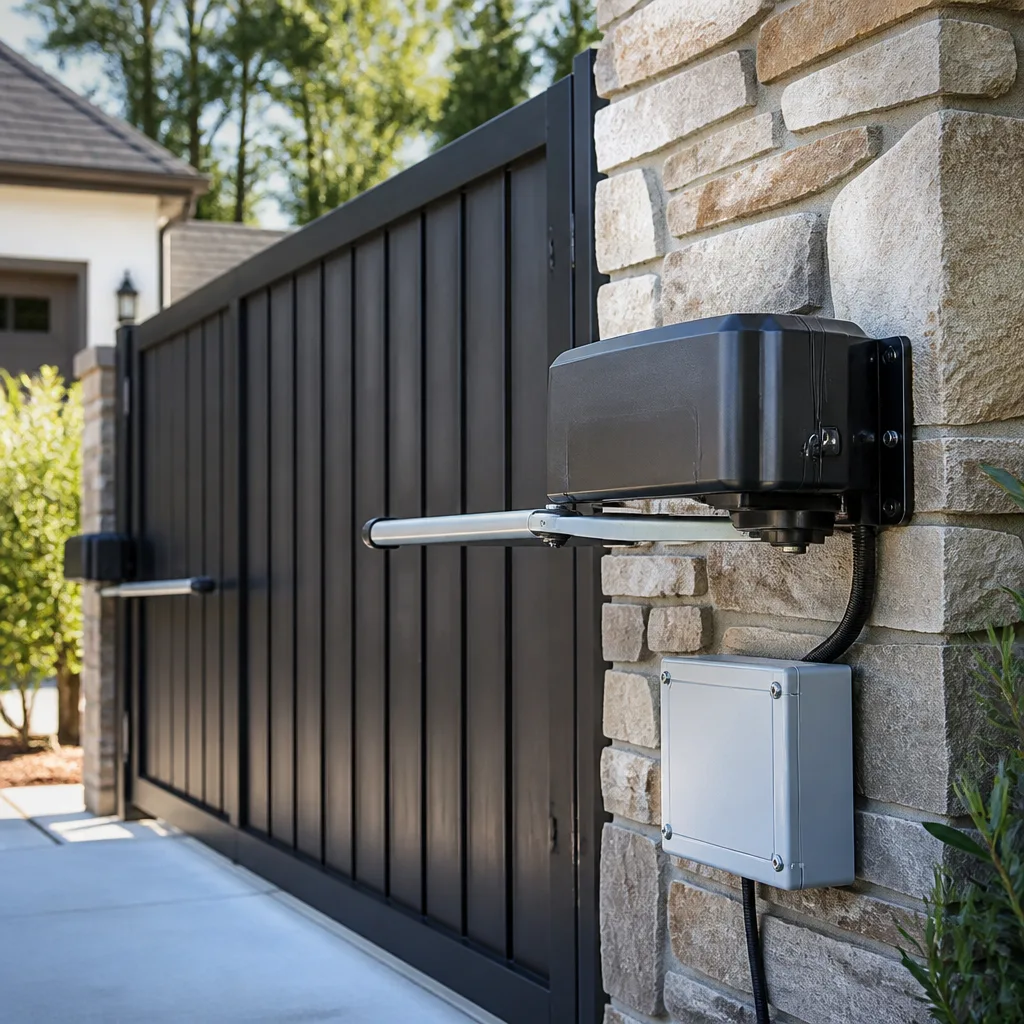
- Hinge lubrication. Swing gates need hinge lubrication once or twice a year. Use a white lithium grease or a silicone spray. Do not use WD-40, which acts as a solvent and strips existing lubricant. Apply sparingly, wipe the excess, and operate the gate through two full cycles. This is a maintenance task, not a repair, and it prevents wear on the motor.
For these three things, the homeowner is the right person for the job. Anything beyond this list requires a decision about the UL 325 line, and that decision deserves a clear framework.
Why an Undocumented Gate Raises the Risk of Any DIY Work
Every automated gate has a service history, whether or not anyone wrote it down. If the previous owner installed the gate in 2011 and never kept records, the current homeowner is working blind. What motor brand is it? What force setting was the operator installed with? Where were the photo-eyes originally positioned? If none of that is documented, and the homeowner adjusts something, they are layering a new modification on top of an unknown baseline. That is how gates end up in dangerous configurations that nobody can reconstruct.
We see this pattern constantly in Burbank, especially in homes that have been through two or three owners. The gate works. Then it doesn’t. The homeowner opens the control panel, sees a row of dials, guesses at the force setting, and now the gate closes with enough pressure to dent a car fender. The problem is not that the homeowner lacks intelligence. The problem is that the baseline was never recorded.
Before attempting any DIY adjustment, check for a service record. Look for a handwritten tag inside the control panel, a sticker from the last installer, or a file left in the garage. If none exists, the responsible move is to have a professional establish the baseline. That means measuring the existing settings, photographing the wiring, and creating the record that should have existed from day one. Only then can future maintenance be informed, including by the homeowner.
Vance Gate Repair Burbank performs this kind of baseline documentation as a standard practice. It comes from the founder’s commercial access-control background, where wiring diagrams and setting logs are not optional extras. They are part of the job. The Vance Gate Repair Burbank home page explains how that documentation habit carries over to residential work.
Cost Comparison: DIY Parts vs. Professional Repair With a Warranty
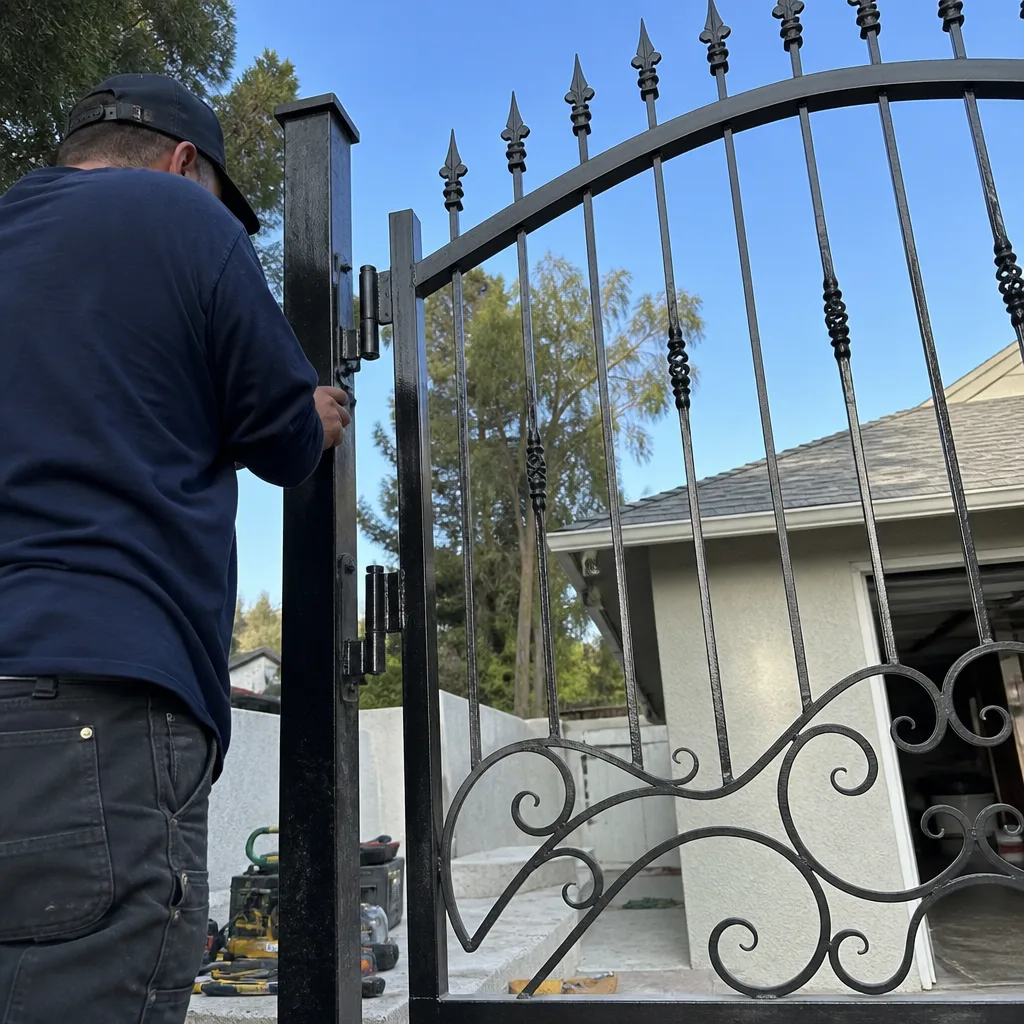
The obvious appeal of DIY is the parts-only price. A replacement photo-eye costs $40 to $90 online. A limit switch costs $20 to $60. A new remote costs $25 to $50. Those are real numbers, and for a household on a tight budget, they are compelling. But the parts-only price is not what a DIY repair costs. It is what the parts cost. The repair costs something else: your time, your exposure, and the near certainty that a misdiagnosis means buying a second part, and then a third.
Here is a comparison framework we use with Burbank homeowners. Put the numbers side by side.
DIY parts-only path
- Photo-eye: $40-$90
- Limit switch: $20-$60
- Replacement remote: $25-$50
- Force dial recalibration (no part, but requires a force gauge): $150-$300 for the tool
- Total: $85-$500, before any misdiagnosis
- Liability coverage: none
- Warranty: none, on either the part or the labor
- Documentation: whatever you write down
Professional repair path
- Diagnostic visit: typically rolled into the repair price when you proceed
- Labor for photo-eye replacement and alignment: $175-$325
- Limit switch replacement and force recalibration: $180-$340
- Total: $175-$340 for most single-component repairs
- Liability coverage: the contractor’s insurance and the UL 325 compliance record
- Warranty: written, typically 90 days to one year, with a named company to call
- Documentation: photo log, part numbers, settings, all in a written record
The DIY path looks cheaper until the force recalibration enters the picture. UL 325 requires that the force be set and verified with a gauge, not by feel. Most homeowners do not own a force gauge, and buying one for a single repair eliminates most of the savings. A professional arrives with the tool, the knowledge of what the setting should be for a Viking versus a Ghost Controls operator, and the insurance that stands behind the work if something goes wrong.
If you want to see how a professional repair compares across different gate types, the gate installation in Burbank page covers pricing structure for full installs and retrofit work.
What Professional Repair Documentation Gives You That DIY Cannot
Documentation is not paperwork theater. It is evidence. A professional repair should produce a record of what was found, what was changed, and what the final settings are. That record has three distinct values, and none of them are available to a homeowner working alone.
First, insurance value. If a gate injury claim ever arises, the homeowner who can produce a dated work order showing the force setting was measured and compliant is in a far stronger position than the homeowner who says they fixed it themselves and “it seemed fine.” The insurer wants to see that a qualified party performed the work. A written record from a licensed contractor satisfies that. A handwritten note on a yellow pad does not.
Second, resale value. Burbank real estate moves fast, and a gate is not a selling point if it is a mystery. A documented maintenance history is a small but real differentiator at resale. Buyers ask about gates the way they ask about pools: who serviced it, when, and what is the condition. A seller with a file folder of dated records and photos answers those questions in one sentence.
Third, future-repair value. The next technician to work on the gate should not have to rediscover what the last one did. If the limit switches were set at a specific position, the record says so. If the photo-eyes were repositioned, the photo log shows the new alignment. This prevents the cycle of paying a new technician to diagnose the same problem that a previous one already solved. It is the reason Vance Gate Repair Burbank operates under a practice called the Haven Standard: written price before work starts, a documented photo record on every visit, and a 365-Day Done Right Promise. For more on what professional Gate Repair services should include, see our service overview. It means no future technician guesses. That documentation habit started in 2014 on commercial access-control sites, and it carries over to every residential gate.
For homeowners with operators from brands like DoorKing, Elite, or Viking, documentation matters the same way. The brand does not change the reporting standard. If anything, it raises it, because replacement parts for those brands are ordered by specific model and revision, and the record should carry that detail. See the gate motor and opener in Burbank page for how we service major automation brands.
Step-by-Step: How to Assess Any Gate Repair Safely
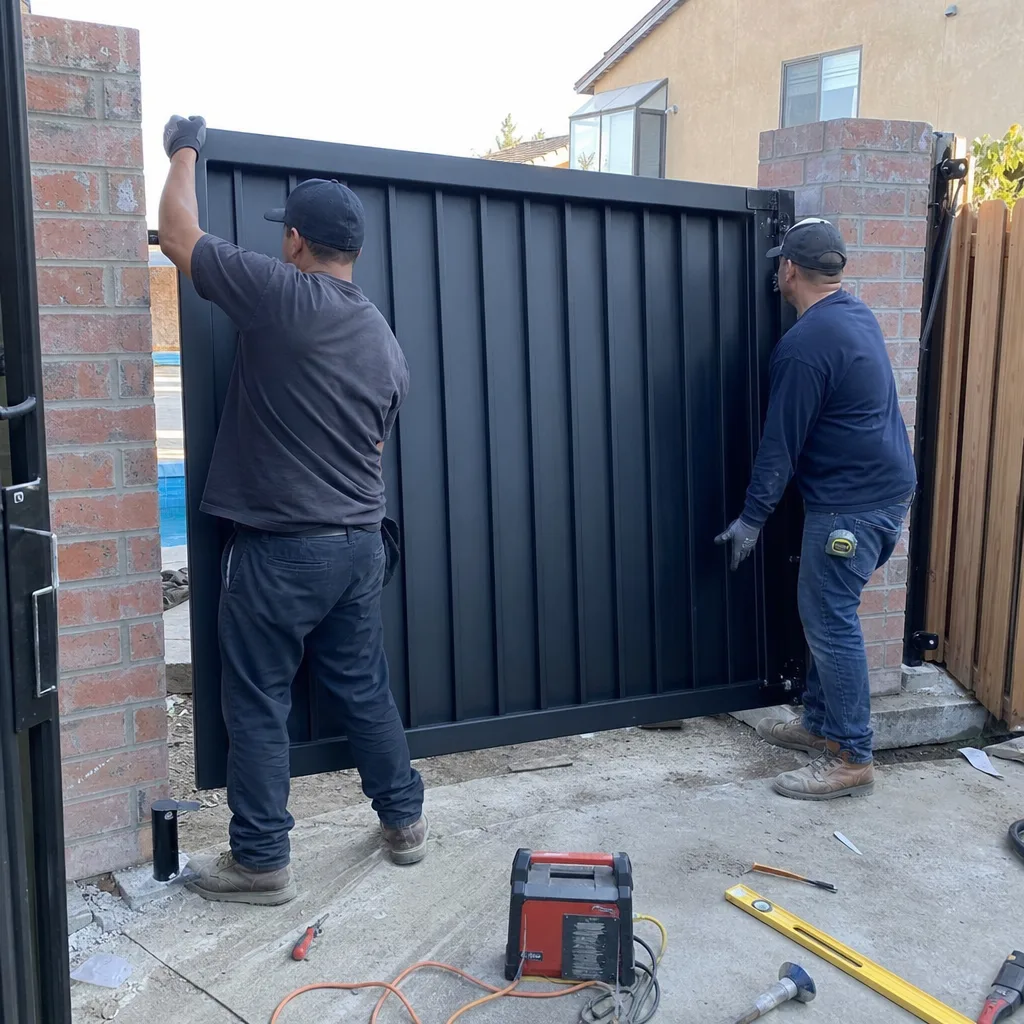
Before spending a dollar or turning a single screw, run through this assessment sequence. It is the same logic a professional uses on arrival, and it will tell you whether the repair is in the DIY category or the liability category.
- Identify the symptom with precision. Write down exactly what the gate does, not what you think is wrong. “Gate stops six inches before the post on close, then reverses” is useful. “Gate is broken” is not. The precise symptom points to the subsystem.
- Check the power source. For a gate that will not move at all, verify the breaker, the GFCI outlet if applicable, and the battery backup. In Burbank, power fluctuations from summer heat events are more common than many homeowners assume.
- Check the remote and keypad separately. If the keypad opens the gate but the remote does not, the remote is the problem, not the motor. Replace the battery first.
- Inspect the physical path. For slide gates, clear the track and check the wheels. For swing gates, look at the hinges and the arc of travel. A gate that binds on a warped post is a mechanical problem, not an electronic one.
- Determine whether the repair touches UL 325 components. If the answer involves limit switches, force settings, photo-eyes, or wiring, stop the DIY assessment and call a professional. This is the line.
- For anything beyond the three DIY tasks, get a written quote. The price should be in writing before work begins. Whether you choose Vance Gate Repair Burbank or another company, insist on it.
This sequence takes ten minutes and prevents most homeowner mistakes. It also gives a professional useful information, which shortens the diagnostic time and the bill.
Burbank-Specific Notes: Climate, Code, and Common Gate Problems
Burbank has a specific gate-repair profile. The heat in the summer months pushes motors harder. The Santa Ana winds in the fall drive fine dust into slide-gate tracks and limit switch enclosures. The hillside neighborhoods, especially those above Glenoaks, have steeper grades than the flats, which means swing gates carry more load and motors work against gravity in ways they do not on flat lots.
We see a few patterns in Burbank that repeat year after year:
- Force settings drifting in summer. Motors heat up, and homeowners turn up the force to compensate. That is the wrong fix. The correct fix is usually a track cleaning or a hinge adjustment, not a force bump. Once the force is raised above the UL 325 threshold, the gate becomes an entrapment risk.
- Photo-eye misalignment from wind. The Santa Anas shake gate posts and shift photo-eye brackets. A gate that refuses to close after a wind event is usually a misaligned photo-eye, not a failed motor.
- Dust in limit switch housings. Burbank’s dry fall air carries fine particulate that works its way into enclosures over time. A switch that worked in September can fail in November for no visible reason. This is a repair, not a maintenance item.
- Gate post leaning on hillside lots. Soil movement from winter rains and summer drying causes posts to shift. A leaning post changes the gate’s geometry and puts strain on the hinges and the motor. This is a structural condition, not an electronic one, and it needs a professional assessment.
Burbank’s building code references UL 325 for automated gates, and any permit work on a new gate installation triggers the compliance requirements. Homeowners who have pulled permits for other work sometimes assume the gate is exempt. It is not. The gate is a powered safety device, and the code treats it accordingly.
Common Mistakes to Avoid
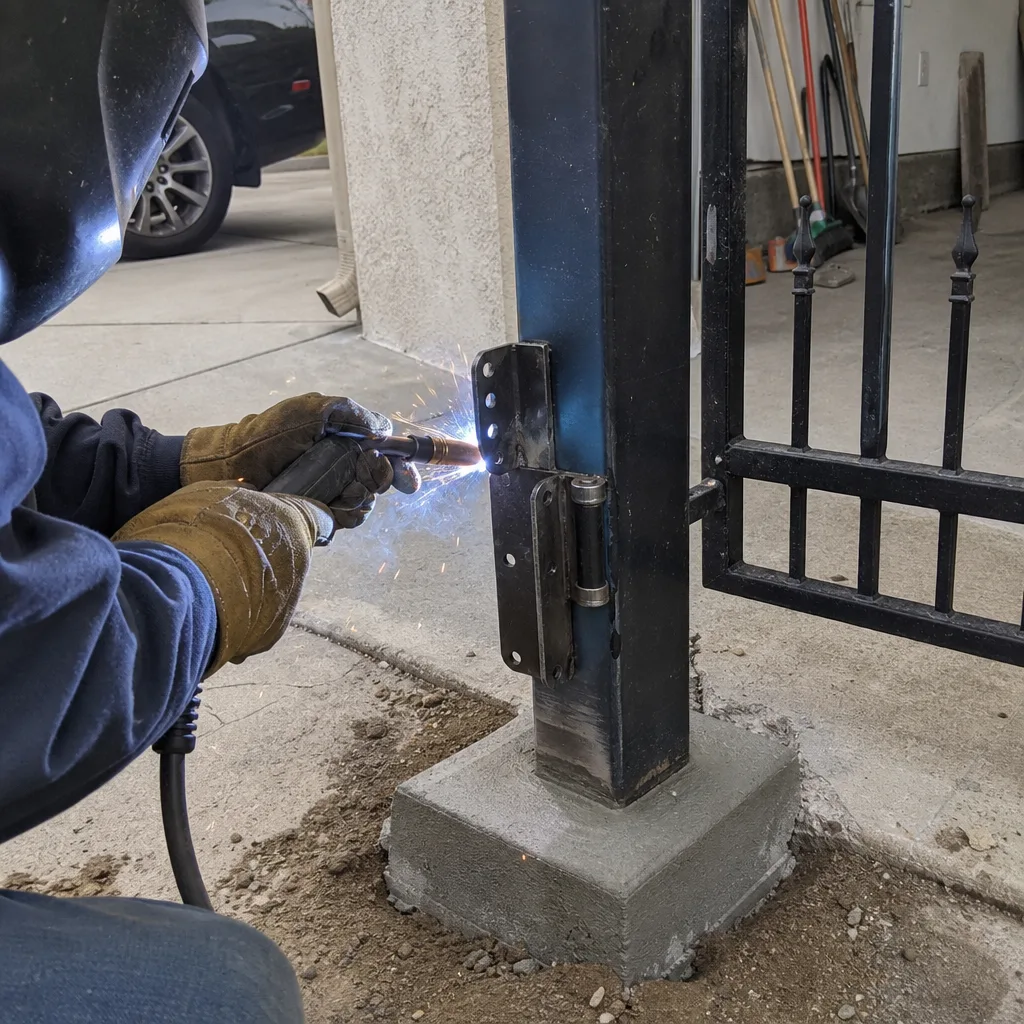
- Raising the force setting to “fix” a slow or binding gate. This is the single most dangerous guest adjustment. It masks a mechanical problem and creates an entrapment hazard. A gate that binds needs a cleaner track or a hinge repair, not a stronger push.
- Bypassing a faulting photo-eye instead of replacing it. When a photo-eye fails and the gate will not close, some homeowners jumper the sensor terminals to force closure. That is the fastest way to create a gate that will not stop for a child or a pet. A jumpered photo-eye is a liability bomb.
- Using WD-40 on gate hinges. It strips lubricant and accelerates wear. Use white lithium grease or silicone spray, and apply it to the hinge pin, not the surrounding area.
- Replacing a motor on a gate that has an underlying mechanical problem. If the gate binds, the new motor works against the same resistance and fails again. Diagnose the mechanical path first.
- Buying a replacement part based on a photo instead of the model number. Gate parts vary by revision. A photo-eye that looks identical to the original may have a different voltage or connector. Order by the part number from the control board or the operator manual.
- Drilling into a gate post without knowing where the wiring runs. Burbank gates often route low-voltage wire through the posts. A drill bit through a sensor wire creates an intermittent fault that is expensive to trace. Know the wire path before you drill anything.
- Skipping the documentation on any professional repair. If a contractor will not provide a written price or a written record, the savings are not worth the exposure. A verbal quote is not a quote.
When to Call a Professional
Call when the repair touches the safety system: limit switches, force settings, photo-eyes, contact edges, or the internal wiring of the operator. Call when the gate is binding, the post is leaning, or the motor is making a new noise. Call when you have no service history for the gate and need a baseline established. Call when the problem has recurred after a previous DIY attempt, because the first guess was wrong and the gate is still not right. In all of these situations, a professional brings the force gauge, the brand knowledge, and the insurance that a DIY repair cannot replicate. Vance Gate Repair Burbank offers free estimates in Burbank. Call (213) 577-1120 and a live person answers, any hour. For a detailed look at typical expenses, see our Gate Repair Cost Breakdown: The Burbank Homeowner’s Reference for 2026.
Frequently Asked Questions
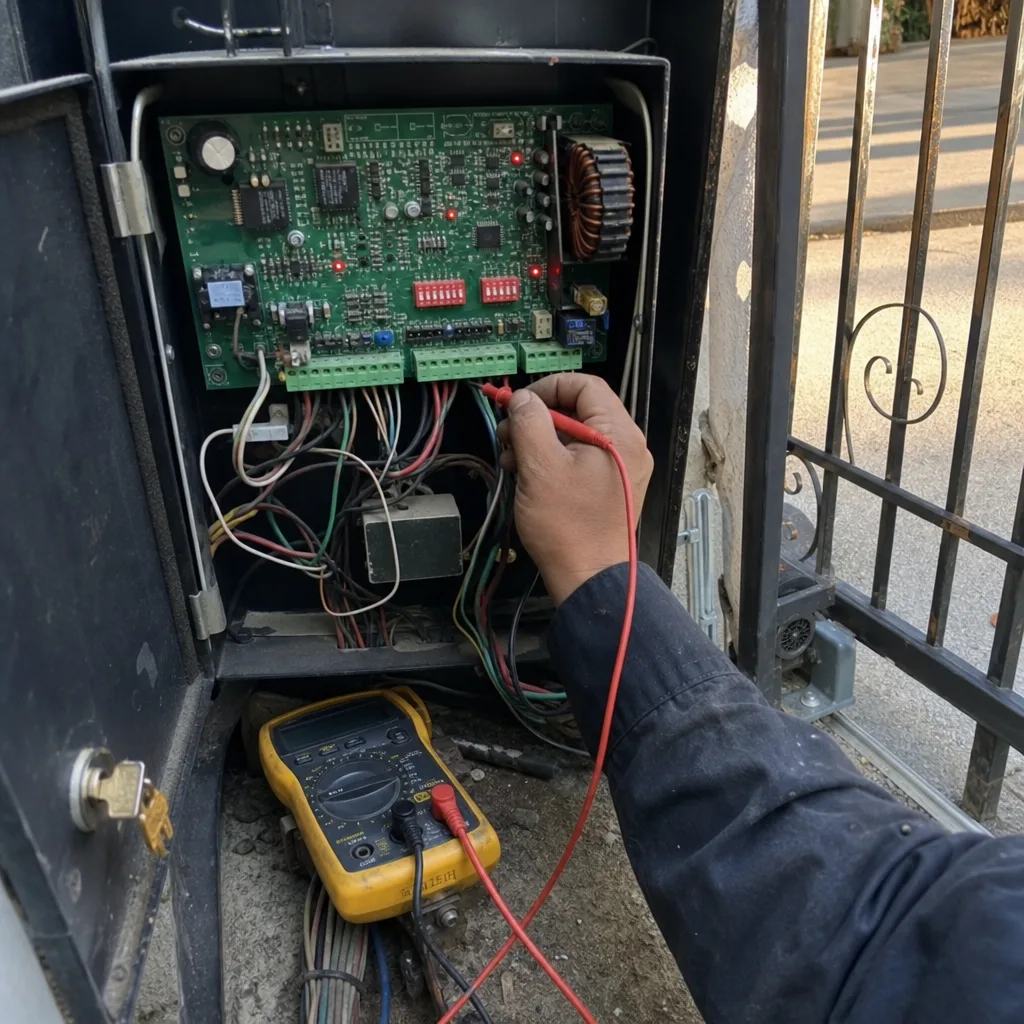
Most single-component gate repairs in Burbank run between $175 and $340, including labor and the common part, when the repair involves a photo-eye, limit switch, or hinge. Full motor replacements run higher and are quoted based on the brand and model. The price is written and agreed before any work starts. Call (213) 577-1120 for an exact quote on your gate.
If the gate opens but will not close, the most common causes are a misaligned photo-eye, an obstruction on the track, or a failed safety edge. The first two are sometimes DIY-visible. The safety edge is wired into the operator and should not be bypassed. If you have cleared the path and checked the photo-eyes, and the gate still will not close, call a professional. Most no-close failures are resolved in a single visit.
Yes, California does not prohibit homeowners from working on their own gates. But the legality changes the picture when the repair involves UL 325 safety components. If a gate injures someone and the homeowner modified the force or the photo-eyes, the homeowner carries the liability. The law does not require a license to turn a screwdriver. It does hold the person who turned it responsible for the result.
In our experience across Burbank, the most common problem is photo-eye misalignment, often after a wind event or a bump from a car. The gate stops closing and reverses, and the cause is a bracket that shifted a fraction of an inch. The fix is a realignment and a verification of the beam path, and it is one of the most straightforward professional repairs.
Repairs that replace existing components typically do not require a permit. New gate installations and structural changes, such as new posts or a new operator that changes the gate’s footprint, may require one. When in doubt, the Burbank Building and Safety Division can confirm. A professional contractor should know which category your job falls into.
The only way to know is to measure it with a force gauge against the manufacturer’s specification. If the gate has never been tested, or if the force dial has been adjusted by feel, the compliance status is unknown. A professional diagnostic includes a force measurement and a written record of the result. Call (213) 577-1120 to schedule a force and safety check on your gate.
The Bottom Line
The DIY-versus-professional question is not about whether you can learn to adjust a gate. It is about who carries the responsibility if the adjustment is wrong. In California, under UL 325, the answer is the person who made the adjustment. For the three maintenance tasks that do not touch the safety system, DIY is the right call. For everything else, a professional repair with a written price, a written record, and a warranty costs less than the liability it removes. Our Gate Repair Maintenance Checklist for Burbank Homeowners covers what to track between visits. If you are in Burbank and your gate is acting up, get a clear picture of the problem first. Then get a written quote. Then decide. That sequence, more than anything else in this guide, is the difference between an informed homeowner and an exposed one.
Written by Adrian Vance, Owner at Vance Gate Repair Burbank, serving Burbank since 2014. Explore more guides & resources on gate safety and maintenance.